
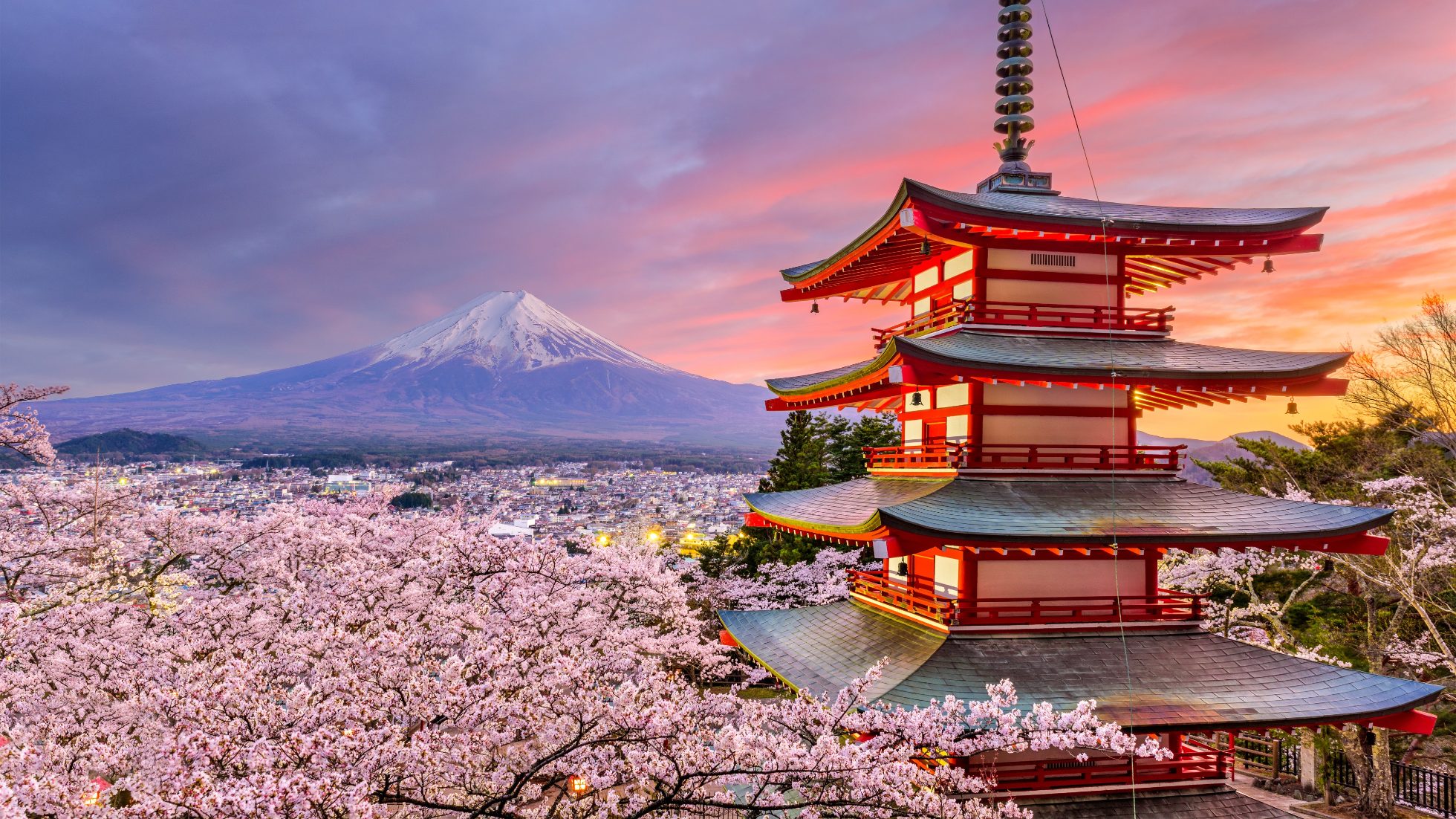
Japan often feels like stepping into a different world—one where centuries-old traditions coexist seamlessly with futuristic cities. For first-time travellers, it can be both exciting and overwhelming. From navigating transport systems to understanding cultural etiquette, there’s a lot to take in. This guide simplifies everything you need to know before planning your first trip to Japan.
1. Planning Your Japan Trip
Before you even book your tickets, it’s important to understand what kind of experience you want. Japan offers a mix of vibrant cities, peaceful countryside, historic temples, and modern attractions. Most first-time visitors typically explore places like Tokyo, Kyoto, and Osaka because they offer a well-rounded introduction to the country.
When planning, consider the duration of your trip. Ideally, 10–14 days allows you to explore multiple regions without feeling rushed. If you have less time, focus on one or two cities rather than trying to cover everything.
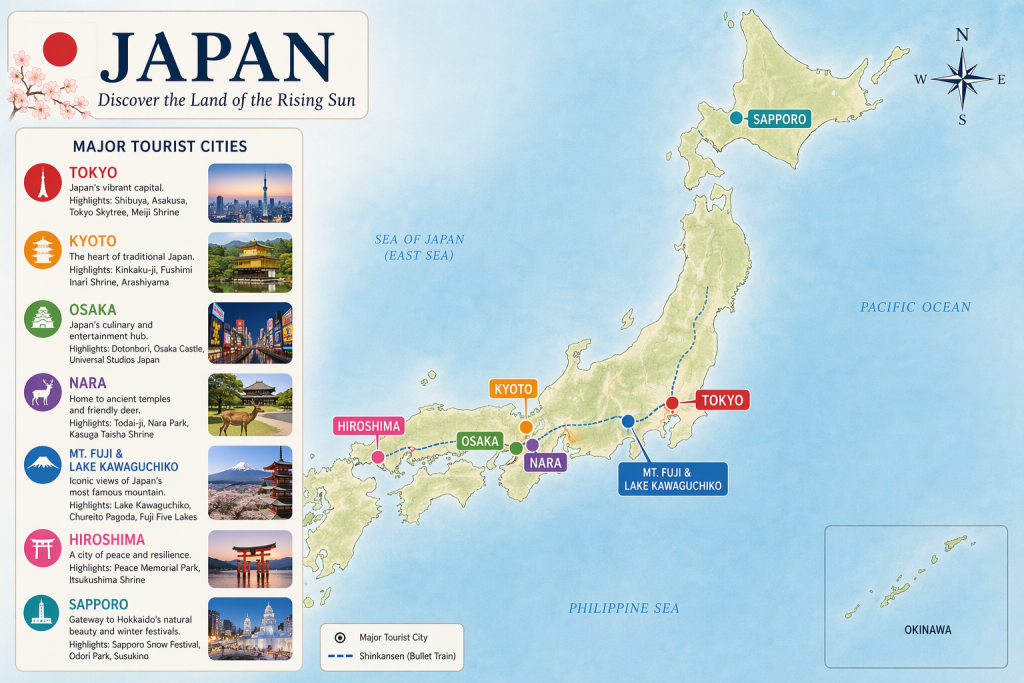
Map of Japan with major tourist cities highlighted
2. Visa and Entry Requirements
For Indian travellers, applying for a Japan tourist visa is a straightforward process but requires proper documentation. You’ll need proof of accommodation, flight bookings, financial stability, and a detailed itinerary.
Processing times are generally quick if your documents are in order. It’s best to apply at least a few weeks before your planned departure to avoid last-minute stress.
3. Best Time to Visit Japan
Japan is beautiful throughout the year, but each season offers a different experience.
- Spring (March–April): Famous for cherry blossoms, making it one of the most popular times to visit.
- Autumn (October–November): Stunning fall foliage and pleasant weather.
- Summer (June–August): Festivals and vibrant city life, but can be hot and humid.
- Winter (December–February): Ideal for snow lovers and skiing.
If you’re visiting for the first time, spring and autumn are usually the best choices due to comfortable weather and scenic beauty.
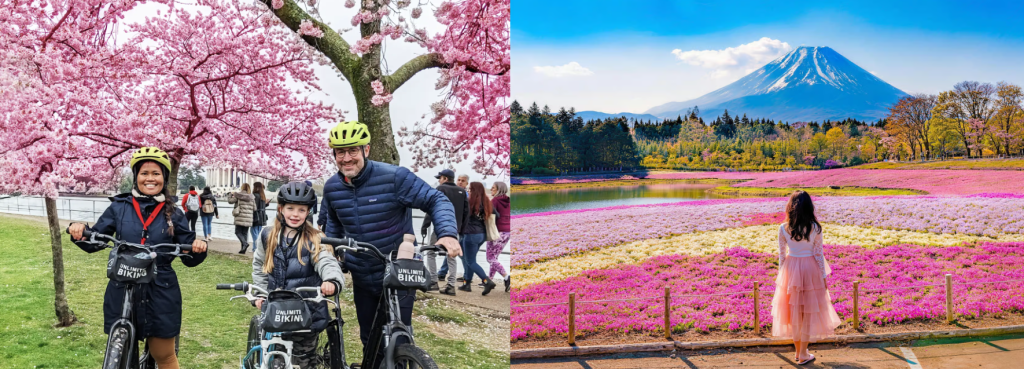
Cherry blossoms in full bloom
4. Booking Flights and Accommodation
Flights to Japan can be expensive if booked last minute. Try to book at least 2–3 months in advance for better deals.
Accommodation options range from luxury hotels to capsule hotels and traditional ryokans. Staying in a ryokan at least once is highly recommended—it gives you a glimpse into traditional Japanese living, complete with tatami mats and local meals.
For budget travellers, hostels and business hotels offer clean and efficient stays at reasonable prices.
5. Getting Around Japan
Japan’s transportation system is one of the most efficient in the world. The train network connects almost every major city and town.
A popular option for tourists is the Japan Rail Pass, which allows unlimited travel on JR trains for a fixed period. It can be cost-effective if you plan to travel between multiple cities.
Within cities, metros and buses are easy to use, though they may seem complex at first. Google Maps works very well in Japan and can guide you accurately.

Shinkansen (bullet train)
6. Internet and Connectivity
Staying connected is essential, especially for navigation and translation. You have three main options:
- International roaming (convenient but expensive)
- Local SIM cards
- Pocket Wi-Fi devices
Pocket Wi-Fi is often the best option for groups, as multiple devices can connect at once.
7. Language and Communication
English is not widely spoken in Japan, especially outside major tourist areas. However, communication is rarely a problem because locals are incredibly helpful.
Learning a few basic Japanese phrases can go a long way. Simple words like greetings and thank you are appreciated and can make interactions smoother.
[Add Image: Japanese phrases written with English translations]
8. Food and Dietary Considerations
Japanese cuisine is one of the highlights of visiting the country. From sushi and ramen to street food and desserts, there’s something for everyone.
However, vegetarians and vegans may find it slightly challenging since many dishes use fish-based broth. Planning ahead and researching restaurants can help.
Convenience stores like 7-Eleven and Lawson also offer surprisingly good meals and snacks at affordable prices.
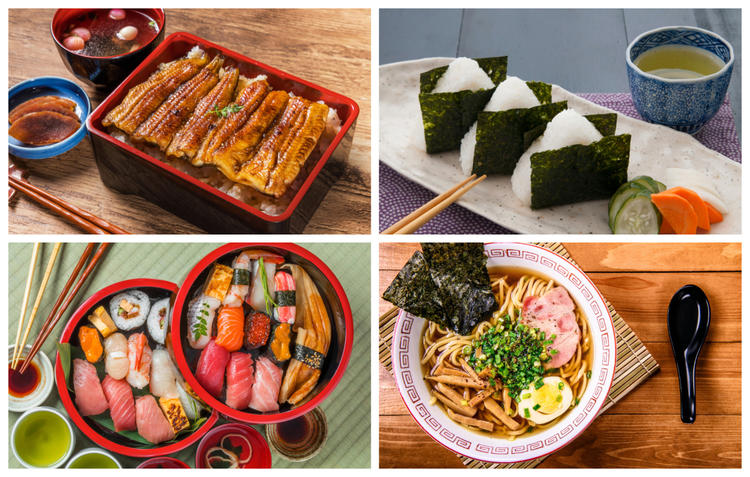
Assorted Japanese dishes including sushi and ramen
9. Cultural Etiquette
Japan has a unique set of cultural norms that visitors should respect. Some key things to keep in mind:
- Always remove shoes before entering homes and certain accommodations
- Avoid talking loudly in public transport
- Do not tip—it’s not part of Japanese culture
- Queue patiently and follow rules
Respecting these customs helps you blend in and enhances your overall experience.
10. What to Pack
Packing smart can make your trip much smoother. Essentials include:
- Comfortable walking shoes
- Weather-appropriate clothing
- Portable charger
- Travel adapter
- Copies of important documents
If you’re visiting during spring or autumn, layering is key as temperatures can vary throughout the day.
11. Must-Visit Places for First-Time Travellers
If it’s your first japan tour, these destinations offer a perfect introduction:
- Tokyo: A mix of modern life, shopping, and technology
- Kyoto: Traditional temples, shrines, and cultural experiences
- Osaka: Food capital with vibrant nightlife
- Nara: Famous for its friendly deer and historic sites
Each city has its own personality, making your journey diverse and memorable.
12. Budgeting Your Trip
Japan tour has a reputation for being expensive when you book any japan tour package, but it can be managed on a budget.
- Use public transport passes
- Eat at local eateries or convenience stores
- Book accommodations in advance
- Travel during off-peak seasons
With careful planning, Japan can be more affordable than expected.
13. Safety and Cleanliness
Japan is one of the safest countries in the world. Crime rates are low, and it’s common to see people leaving belongings unattended.
The country is also extremely clean, even though public trash bins are rare. You’re expected to carry your waste until you find a place to dispose of it.
14. Final Tips for First-Time Visitors
- Carry cash, as not all places accept cards
- Download offline maps and translation apps
- Be punctual—Japan values time highly
- Stay flexible and open to new experiences
Travelling to Japan for the first time can feel overwhelming, but it’s also incredibly rewarding. Once you get used to the rhythm of the country, everything starts to feel intuitive.
For more information about our Japan tour packages, please email us at sales@sastaeurope.com or contact us today ( 01149511313 [505, 526, 527, 528] ). Our travel experts will help you plan the perfect itinerary based on your budget and preferences. Book your dream Japan vacation with us and create unforgettable memories amidst breathtaking alpine landscapes and charming cities.


